×
- Hello
- Login or Register
- Quick Links
- Live Chat
- Track Order
- Parts Availability
- RMA
- Help Center
- Contact Us
- Shop for
- Mitsubishi Parts

My Garage
My Account
Cart
Genuine Mitsubishi Galant Steering Knuckle
Front Steering Knuckle- Select Vehicle by Model
- Select Vehicle by VIN
Select Vehicle by Model
orMake
Model
Year
Select Vehicle by VIN
For the most accurate results, select vehicle by your VIN (Vehicle Identification Number).
3 Steering Knuckles found
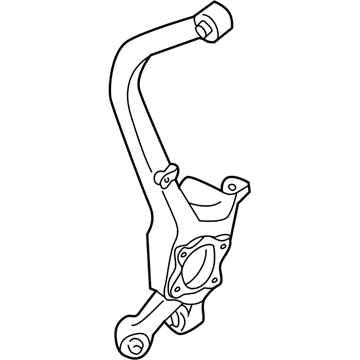
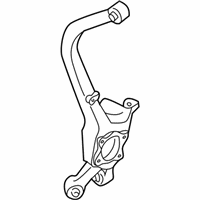
Mitsubishi Galant Knuckle, Driver Side Part Number: MR223653
$231.57 MSRP: $313.78You Save: $82.21 (27%)Ships in 1-2 Business Days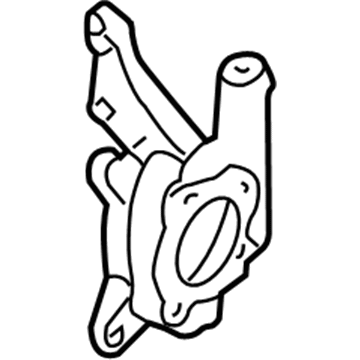
Mitsubishi Galant Knuckle, Driver Side Part Number: 3870A051
Mitsubishi Galant Knuckle, Passenger Side Part Number: MR223654
Mitsubishi Galant Steering Knuckle
OEM Steering Knuckle can boast superior quality and long-term durability. Each part meets strict factory specs and passes careful checks in production. So you'll get Steering Knuckle with long-lasting strength and an exact fit. If you need OEM Mitsubishi Galant Steering Knuckle, the online store is the ideal place. The store carry a wide range of genuine Mitsubishi Galant parts at the highly competitive prices. You'll enjoy a simple and no-hassle shopping experience. You'll get unbeatable prices and fast delivery service. You'll get the manufacturer's warranty and a straightforward return policy. Shop with confidence and keep your car in top condition.
Mitsubishi Galant Steering Knuckle Parts Questions & Experts Answers
- Q:How to remove and install a wheel, brake caliper, and steering knuckle on Mitsubishi Galant?A:The hinges and latch assemblies of the doors, hood and trunk must be sprayed with a few drops of light oil or lock lubricant every 3000 miles or every three months. A thin layer of grease should also be applied on the door latch strikers so that they wear less and move freely. Also, spray on graphite lubricant on the door and trunk locks. Start with the brake fluid reservoir cap, take the cap off and remove approximately 2/3 of the fluid, and reattach the cap. Use a suction gun or old poultry baster, taking care that should there be a baster, it is not used again with food. Always mind not to spill the brake fluid because it can spoil paint and the spillage must be wiped off with clean and cold water. Then, loosen the lug nuts of a wheel, lift the vehicle high on jackstands, and block the still-ground wheels. Take the wheels off and be ready using the assembled brake as a guide in case of need. Place a drain pan beneath the brake assembly and sponge with brake system cleaner the caliper and area around it. Pushing the piston back into the bore: Use a C-clamp to push the piston back into the bore, being careful not to overflow the level of fluid in the master cylinder, and siphon excess fluid as needed. To change the brake pads, use the illustrations given with a check on the caliper and the dust boot of the piston whether it is leaking or torn and replace the caliper in case necessary. Always examine the brake disc and hose carefully to determine whether there is any damage or not. Wipe caliper guide pin boots down, and look at corrosion, replacing them if badly corroded. In the event that the guide pin and lock pin were removed, re-insert them into the right positions based on the markings on the pins and caliper body and then tighten them to the recommended torque. Follow the same procedure on the other wheel, fit the wheels and lug nuts, drop the car down, and screw the lug nuts to the desired tightness. Fill the reservoir with the correct brake fluid up to the mark, press the brake pedal a few times to engage the pads with the disc and verify the level of the brake fluid and refill as necessary. Lastly, ensure that the brakes are working well before putting the car back to usual operation, do not use heavy braking until the pads have been rubbed softly a few times to make sure they are in place. When replacement is suggested, which may be as a result of fluid leakage, replacement of the calipers and not an overhaul is advised and new and factory rebuilt units are offered on an exchange basis. Never replace only one caliper, but always replace in pairs. The first thing to do is to loosen the lug nuts on the wheel before lifting up the vehicle and putting it on jackstands to remove the wheel. In case of a front caliper, loosen the fitting bolt and detach the brake hose and plug it to avoid contamination and loss of brake fluid, and remember to fit the sealing washers in place of the hose. Do not disconnect the hose in case you are removing the caliper so that you can access another component. In the case of a rear caliper, take off the rear brake hose. In removing the caliper, use coil spring and a piece of wire to make the caliper hang to the coil spring. Installation: To install, revert the removal process, but replace the sealing washers at the brake hose-to-caliper junction and torque the caliper guide/lock pins to the required amount. Bleed brake circuit, in case the brake hose was removed, and suspect leakages at connections of the hose. Unless the hose was disconnected, pump the brake pedal a few times to ensure that the pads touch the disc. Lastly, check the brakes thoroughly and then put the vehicle back to normal service. Unscrew the lug nuts of the wheel, lift the car and place it on jackstands. Take off the wheel and put the lug nuts back in to keep the disc in place, with washers as needed. Releasing the parking brake is necessary in case of working on the rear brake disc. Install the brake pads and caliper without connective the brake hose to the caliper so that the brakes are not bled when installed. After removing the caliper bolts, suspend the caliper out of the way with a piece of wire. Check the disc surface visually, both marks of the score and surface damage; shallow grooves and light scratches are normal, but deep scoring demands the removal and refinishing of the disc. Look around the edges of the disc, and a severe wear would indicate that the disc has to be changed. In order to test the disc runout, position a dial indicator approximately 1/2-inch away on the outer edge of the disc, and place the dial indicator at zero and spin the disc, making sure that the reading does not go beyond the maximum allowable runout limit. No matter the reading, the discs must be resurfaced to provide a smooth finish and flat surface to remove brake pedal bouncing. Otherwise repeat, scrape the glaze off the surface with emery cloth in a swirling motion. Make sure the disc is not machined in a way that would leave the minimum allowable thickness less than the thickness stated and since the specified thickness is cast into the inside of the disc, it can be checked using a micrometer. Unscrew the caliper mounting bracket and the lug nuts that kept the disc in position and then unscrew the disc out of the hub. In case the disc is stuck, screw two bolts of the right size and thread pitch to take off the hub. Install the mounting bracket, place the new disc in position on top of the wheel studs and tighten the bolts to the required torque. Install the brake pads and caliper by fitting the caliper guide pin/lock pin to the appropriate torque. Install the wheel, lower the vehicle and attach the lug nuts to the recommended torque. Press the brake pedal a couple of times to ensure the brake pads come into contact with the disc, and make sure the brakes are functioning properly before driving the vehicle. Should replacement be indicated, as in the case of fluid leakage or sticky operation, check all possibilities prior to commencing the task. This is very easy as new wheel cylinders are available. Never replace a single wheel cylinder, it is important to replace both at a time. Begin by taking out the rear brake shoes. Disconnect, if possible, the brake line fitting on the wheel cylinder with a flare-nut wrench. To remove the wheel cylinder and brake backing plate, disconnect the brake line fitting, and then loosen the wheel cylinder bolts, however, care must be taken not to remove the metal line out of the wheel cylinder; otherwise it will bend. Then remove two bolts which attach the wheel cylinder to the backing plate and remove the wheel cylinder. Attach the end of the brake line to avoid the brake fluid loss and dirt entry. To install, reverse the removal procedure, and be sure to tighten the wheel cylinder mounting bolts to the correct torque and install the line fitting. Lastly, fit the brake shoes, brake drum and bleed the brakes. Before regular operation, carefully test the brake functioning. The master cylinder is mounted in the engine compartment and attached to the power brake booster with the fluid reservoir on the earlier models mounted on the firewall adjacent to the booster with the later models mounted directly on the master cylinder. Start by taking away the battery. Take a big syringe and pump out the brake fluid in the master cylinder reservoir taking care not to spill it over the painted areas to avoid spilling paint. Then, disassemble the windshield washer fluid reservoir and disconnect any electrical connectors as necessary. Should there be a remote reservoir, then rags under the fittings and caps or plastic bags to cover the ends of the lines when not in use. Unscrew the clamps of the brake hoses and push them off the reservoir and seal the ends. Uncouple the fluid lines with the master cylinder with a flare nut wrench and, where appropriate, disconnect the electrical connector with the fluid level sensor. Unscrew the nuts holding the master cylinder to the power booster, and take great care in removing it off the studs, to prevent spilling of fluid. Bench bleed the master cylinder; before installing, clamp the master in a vise and fit bleeder tubes to the outlet ports, and fill the reservoir with the recommended brake fluid. Gradually insert the pistons into the master cylinder to force the air off till there are no bubbles. Once the bleed tubes have been removed, place plugs in the open ports and the reservoir cap. Attach the master cylinder to the power brake booster studs and screw in the nuts by hand with the fingers of the nut tightening tool and also fit the reservoir hoses as to connect them. Install the brake line fittings into the master cylinder, without stripping them, and then screw the mounting nuts and brake line fittings into place. Add fluid to the master cylinder reservoir, bleed the master cylinder and the brake system, keep an assistant to depress the brake pedal, loosening the fittings to release air and fluid until there are no air bubbles in the fluid. Lastly, replace the battery, verify that the car has the required amount of brake fluid and thoroughly test the functionality of the brake system before getting behind the wheel. The rubber hoses that join the steel brake lines to the front and rear brake systems are important components of the brake system and should be checked whenever the vehicle is raised and the jackstands are firmly in place to examine them thoroughly, looking for cracks, chafing, leaks, blisters and other damages. It is important to conduct a proper inspection, and a light and a mirror could help you in this activity. In case any hose develops signs of damage, change immediately. To get rid of a flexible hose, clean the dirt of the hose fittings, and disconnect the metal brake line with a flare-nut wrench, never bending the frame bracket or line. When the fitting is corroded, put on penetrating oil, and leave it to soak before trying to loosen it. Take out the bracket of the brakeline, being sure to close the metal line when it is not in use. In the case of hoses that are connected to the caliper, unscrew the fitting bolt and take away the hose, disposing of the sealing washers. In installing a rear hose in a disc brake model, remove the securing clip and unscrew the hose in the caliper. Install the new brake hose to the caliper with new sealing washers when using on front hose and tighten the fitting bolt. Insert the opposite end of the new hose into the bracket without kinking or twisting it and then fit and tight the metal line to the hose. Ensure that the hose is not in touch with suspension or steering parts and verify this with the assistance of an assistant. Once installed, monitor the master cylinder fluid level, top-up fluid (where needed) and bleed the brakes before testing brake performance. When replacing the metal brake lines, be sure to use the right parts, do not use copper tubing and buy the steel brake lines at a dealer or auto parts store. Ready-made, flared-end brake lines, with fitted fittings can be purchased, and in case bending is required, a tubing bender must be utilised to eliminate kinking. Tighten the fittings in place well supported and clear of moving parts or hot parts. Once installed, test the master cylinder fluid level, fill fluid when it is required, and bleed the brakes before testing the brakes. Relax the lug nuts of the wheels, elevate the vehicle and hold it firmly on jackstands before taking the wheel off. Then, take off the driveaxle/hub nut and in case the vehicle has ABS then remove the wheel speed sensor. Next, unscrew the brake caliper and prop it up with a bit of wire and de-assemble the brake caliper mounting bracket and detach the brake disc and the hub. Disassemble the bottom balljoint(s) and steering knuckle, push the steering knuckle outward and push the driveaxle out of the hub to reach the hub mounting bolts, holding the end of the driveaxle with a piece of wire. Take the core of the knuckle off the vehicle; unbolt the hub. Should it be necessary, remove the brake disc shield of the knuckle. Ensure that the hub bearing is not worn or damaged: Spin the bearing with your fingers and observe rough, loose, or noisy rotation: in case of problems, change the hub as an assembly: the bearing cannot be changed independently. Installation: Reverse the steps to remove, but make sure to tighten the hub bolts and balljoint fasteners to the required torque and the driveaxle/hub nut to the required torque, and the brake fasteners to the required torque. In order to take off the wheel, loosen the lug nuts, lift the vehicle, place the lug nuts on jack stands and then remove the wheel. Then remove the brake caliper and hold it using a piece of wire; in the case the vehicle has ABS, remove the knuckle wheel speed sensor by unbolting and removing it. Take caliper mounting bracket off, lift off the brake disc off the hub and take off the driveaxle/hub nut. Next, unscrew the tie-rod end of the steering knuckle arm, and the Control Arm(s) of the knuckle. Take the driveaxle out of the hub and hold onto it with wire. In models after 1999, detach the steering knuckle and the strut, and unbolt the hub at the knuckle, if necessary, taking care not to overstrain the steering knuckle. To install, redo in the order of removal, all suspension and steering fasteners should be screwed to the correct torque values, including the driveaxle/hub nut with a new cotter pin, the brake fasteners and the wheel lug nuts.
- Q:How to remove and inspect the rear Steering Knuckle and associated rear suspension and braking components on Mitsubishi Galant?A:To detach the components, first remove the rear wheel speed sensor if the vehicle has ABS installed. After that, take off the rear brake caliper along with the bracket and the disc if they are disc brakes. If they are drum brakes, remove the brake drum and shoes. Next, remove the rear hub and bearing assembly. Uninstall the shock absorber, Trailing Arm, lower Control Arm, toe control arm, and upper control arm from the knuckle and detach the knuckle from the automobile. Check for wear and damage of the bushing in the knuckle. Replace the knuckle in case you find damage. In addition, try to check the knuckle for cracks or bending and don't try to repair the issues, simply replace it when you see a problem. The outer end of the toe control arm should be examined for ball joint. To install, reverse the removal steps. Make sure that all the fasteners of the suspension and fasteners of the brake are tightened to the torque specification. Before tightening the pivot bolts that fasten the suspension arms to the knuckle, lift the suspension with a floor jack to simulates normal ride height and then torque the fasteners to specification. Finally, tighten the lug nuts to the proper specs.
Related Mitsubishi Galant Parts
 Mitsubishi Galant Axle Support Bushings
 Mitsubishi Galant Coil Springs
 Mitsubishi Galant Control Arm
 Mitsubishi Galant Control Arm Nut
 Mitsubishi Galant Crossmember Bushing
 Mitsubishi Galant Differential Mount
 Mitsubishi Galant Lateral Link
 Mitsubishi Galant Strut Mounts
 Mitsubishi Galant Sway Bar Link Bushing
 Mitsubishi Galant Trailing Arm
 Mitsubishi Galant Wheel Hub
 Mitsubishi Galant Wheel Seal
Browse by Year
2010 Steering Knuckle 2009 Steering Knuckle 2008 Steering Knuckle 2007 Steering Knuckle 2006 Steering Knuckle 2005 Steering Knuckle 2004 Steering Knuckle 2003 Steering Knuckle 2002 Steering Knuckle 2001 Steering Knuckle 2000 Steering Knuckle 1999 Steering Knuckle 1998 Steering Knuckle 1997 Steering Knuckle 1996 Steering Knuckle