×
- Hello
- Login or Register
- Quick Links
- Live Chat
- Track Order
- Parts Availability
- RMA
- Help Center
- Contact Us
- Shop for
- Mitsubishi Parts

My Garage
My Account
Cart
Genuine Mitsubishi Sigma Thermostat
Engine Coolant Thermostat- Select Vehicle by Model
- Select Vehicle by VIN
Select Vehicle by Model
orMake
Model
Year
Select Vehicle by VIN
For the most accurate results, select vehicle by your VIN (Vehicle Identification Number).
1 Thermostat found
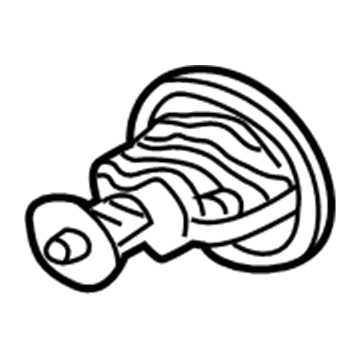
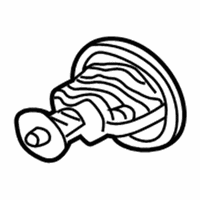
Mitsubishi Sigma Thermostat Part Number: MD972903
$25.36 MSRP: $33.02You Save: $7.66 (24%)Ships in 1-2 Business Days
Mitsubishi Sigma Thermostat
OEM Thermostat can boast superior quality and long-term durability. Each part meets strict factory specs and passes careful checks in production. So you'll get Thermostat with long-lasting strength and an exact fit. If you need OEM Mitsubishi Sigma Thermostat, the online store is the ideal place. The store carry a wide range of genuine Mitsubishi Sigma parts at the highly competitive prices. You'll enjoy a simple and no-hassle shopping experience. You'll get unbeatable prices and fast delivery service. You'll get the manufacturer's warranty and a straightforward return policy. Shop with confidence and keep your car in top condition.
Mitsubishi Sigma Thermostat Parts Questions & Experts Answers
- Q:How does a Thermostat help an engine maintain optimal internal temperatures, and what are the implications of running too cool or overheating on Mitsubishi Sigma?A:In an engine, the internal temperature must be kept within certain limits for it to function efficiently. The cooling system, which circulates a fluid around the combustion cylinders, removes heat from the engine and transfers it to the radiator. Here, the heat is dissipated out into the airflow created by the fan and vehicle movement. Although many people think the worst thing that can happen is for an engine to overheat, it's equally common for an engine to run too cool. The result is inefficient fuel burning and the lubricating oil will not perform properly. malfunctions that may be diagnosed as electrical or tune-up fault. The thermostat controls coolant flow according to temperature, allowing for optimum heat exchange. Regular checks are necessary for this component, especially under special operating conditions like towing. To replace the engine if the gauge indicates low readings, the heater gives little heat, the gas mileage seems reduced or performance is affected. In case of overheating the problem could be low coolant, badly tuned or dirty cooling system. Test the thermostat before you take further action. To change the thermostat, drain the cooling system (antifreeze is harmful). The thermostat housing is generally removeable without unfastening the top radiator hose, and if testing the thermostat, you'll want to suspend it in heated water to check the opening temp. Once scraping has taken place on the gasket surfaces, the new thermostat should be installed in a manner that ensures correct seating. A new gasket should then be sealer before the housing is reassembled. Reconnect the hoses, refill the coolant, and check for leaks. Any other issues with the housing can be addressed.
Related Mitsubishi Sigma Parts
 Mitsubishi Sigma Coolant Reservoir Cap
 Mitsubishi Sigma Drive Belt
 Mitsubishi Sigma Radiator Cap
 Mitsubishi Sigma Serpentine Belt
 Mitsubishi Sigma V-Belt