×
- Hello
- Login or Register
- Quick Links
- Live Chat
- Track Order
- Parts Availability
- RMA
- Help Center
- Contact Us
- Shop for
- Mitsubishi Parts

My Garage
My Account
Cart
Genuine Mitsubishi Diamante Drive Belt
Serpentine Belt- Select Vehicle by Model
- Select Vehicle by VIN
Select Vehicle by Model
orMake
Model
Year
Select Vehicle by VIN
For the most accurate results, select vehicle by your VIN (Vehicle Identification Number).
4 Drive Belts found
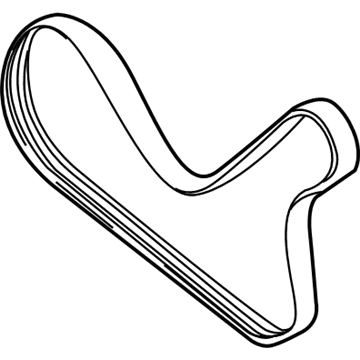
Mitsubishi Diamante Serpentine Belt Part Number: MZ690264
$45.70 MSRP: $63.47You Save: $17.77 (28%)Ships in 1-2 Business Days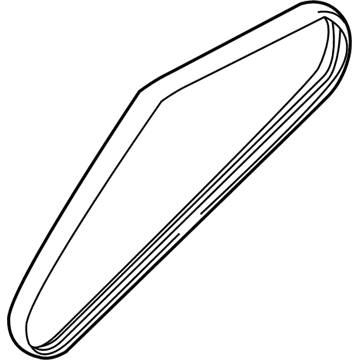
Mitsubishi Diamante Power Steering Belt Part Number: MN187017
$29.73 MSRP: $38.72You Save: $8.99 (24%)Ships in 1-2 Business Days
Mitsubishi Diamante Alternator Belt Part Number: MZ690263
$26.94 MSRP: $35.08You Save: $8.14 (24%)Ships in 1-2 Business Days
Mitsubishi Diamante Alternator Belt Part Number: MD187461
$42.72 MSRP: $56.07You Save: $13.35 (24%)Ships in 1-2 Business Days
Mitsubishi Diamante Drive Belt
OEM Drive Belt can boast superior quality and long-term durability. Each part meets strict factory specs and passes careful checks in production. So you'll get Drive Belt with long-lasting strength and an exact fit. If you need OEM Mitsubishi Diamante Drive Belt, the online store is the ideal place. The store carry a wide range of genuine Mitsubishi Diamante parts at the highly competitive prices. You'll enjoy a simple and no-hassle shopping experience. You'll get unbeatable prices and fast delivery service. You'll get the manufacturer's warranty and a straightforward return policy. Shop with confidence and keep your car in top condition.
Mitsubishi Diamante Drive Belt Parts Questions & Experts Answers
- Q:How should a Drive Belt be inspected and adjusted to prevent failure and ensure proper function on Mitsubishi Diamante?A:Check for deep cracks, which can cause flex and eventual failure, and wear that exposes critical reinforcing cords in the belts. A glazed belt looks smooth because of slippage. A good belt will show some fabric texture. The wear on the inner edge will start cracking and extend out. Replace any belt that shows wear or damage immediately and ideally all at once as a preventive measure. Belt tension should be adjusted carefully, as excessive tension will damage the bearings of the alternator and the water pump pulley, while too loose of a tension will make the belt slip and result in excessive wear. To adjust, loosen the right bolts and reposition the alternator or turn the adjusting bolt, secure everything and recheck. To remove the alternator belt on different engine types, firstly loosen the adjuster lock bolt, the support nut and then rotate the adjuster to release the tension and remove the alternator belt. The belt is installed on the pulleys, and its tension is tightened by bolts. Loosen the right bolts and rotate the pump for removing the power steering belt. Adjust the tension when reinstalling and tighten the right bolts. By loosening the tension pulley, the A/C compressor belt has been removed which is done in reverse for the installation. For specific engine models, disconnect the negative battery cable and loosen the tensioner bolts to remove the belts. Then, reinstall the belts in the order you took them off while re-tensioning them as required. After that, double check the installation of all the bolts and cables and reconnect the battery.
Related Mitsubishi Diamante Parts
 Mitsubishi Diamante Coolant Pipe Seal
 Mitsubishi Diamante Coolant Reservoir Cap
 Mitsubishi Diamante Cooling Hose
 Mitsubishi Diamante Fan Motor
 Mitsubishi Diamante Idler Pulley
 Mitsubishi Diamante Radiator Drain Plug
 Mitsubishi Diamante Serpentine Belt
 Mitsubishi Diamante Thermostat
 Mitsubishi Diamante Thermostat Gasket
 Mitsubishi Diamante V-Belt
 Mitsubishi Diamante Water Pump
 Mitsubishi Diamante Water Pump Gasket
Browse by Year
2004 Drive Belt
2003 Drive Belt
2002 Drive Belt
2001 Drive Belt
2000 Drive Belt
1999 Drive Belt
1998 Drive Belt
1997 Drive Belt
1996 Drive Belt 1995 Drive Belt 1994 Drive Belt 1993 Drive Belt 1992 Drive Belt