×
- Hello
- Login or Register
- Quick Links
- Live Chat
- Track Order
- Parts Availability
- RMA
- Help Center
- Contact Us
- Shop for
- Mitsubishi Parts

My Garage
My Account
Cart
Genuine Mitsubishi Diamante Oil Filter
Engine Oil filter- Select Vehicle by Model
- Select Vehicle by VIN
Select Vehicle by Model
orMake
Model
Year
Select Vehicle by VIN
For the most accurate results, select vehicle by your VIN (Vehicle Identification Number).
2 Oil Filters found
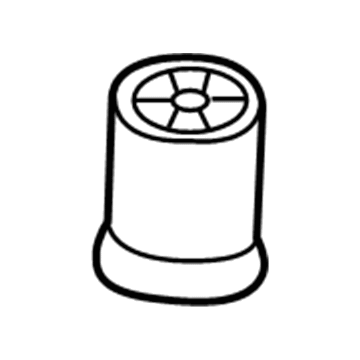
Mitsubishi Diamante Oil Filter Part Number: MZ690116
$6.13 MSRP: $7.98You Save: $1.85 (24%)Ships in 1-2 Business Days
Mitsubishi Diamante Oil Filter Part Number: MZ690072
$6.13 MSRP: $7.98You Save: $1.85 (24%)Ships in 1-2 Business Days
Mitsubishi Diamante Oil Filter
OEM Oil Filter can boast superior quality and long-term durability. Each part meets strict factory specs and passes careful checks in production. So you'll get Oil Filter with long-lasting strength and an exact fit. If you need OEM Mitsubishi Diamante Oil Filter, the online store is the ideal place. The store carry a wide range of genuine Mitsubishi Diamante parts at the highly competitive prices. You'll enjoy a simple and no-hassle shopping experience. You'll get unbeatable prices and fast delivery service. You'll get the manufacturer's warranty and a straightforward return policy. Shop with confidence and keep your car in top condition.
Mitsubishi Diamante Oil Filter Parts Questions & Experts Answers
- Q:How to check and change the oil level and Oil Filter on Mitsubishi Diamante?A:To verify the amount of oil in the car, hold the dipstick and draw it upwards to take it out, then wipe with a cloth before putting it back in, so that the oil level is in between the marks on the dipstick. The fact that used engine oil is health hazardous means that exposure to the same should be kept to a minimum, thus it is important to wear protective gloves and wash hands after coming in contact with the same. The dipstick is typically found in the front of the engine close to the exhaust manifold, and the oil level must be monitored frequently, preferably each time the engine is refueled or that of a service. Park the vehicle on a flat area and when the engine is hot, wait a couple of minutes after switching off the engine to enable oil to settle back into the crankcase. Open the hood, find the dipstick, and draw it out, wiping it with a tissue, replace it as far as it goes, and re-examine the level of oil. In case the oil falls below the minimum mark, pour the necessary viscosity oil through the valve cover opening and verify the level again after pouring oil to prevent overfilling. Oil and filter: Change every 7,500 miles in normal conditions and every 3,000 miles in severe conditions but remember to replace the filter with the oil to avoid oil contamination in the system. Heat up the engine oil then drain to enhance flow and eliminate contaminants. Carefully lift the vehicle and collect required tools and place a drain pan under the drill of the oil pan. Cautiously loosen and remove the drain plug to prevent being burned with hot oil, and then drain the oil as much as possible before examining the plug to determine whether it has been damaged and replacing it. Take off the old filter with an oil filter wrench, making sure that the drain pan is in place to collect any spilled oil. Wipe down the mounting surface, apply fresh oil to the gasket of the new filter and put it in place. Once the vehicle has been lowered, immediately refill the engine crankcase with the appropriate volume of oil, checking the level often and then start the engine to check its circulation and then recheck and refill the oil. Lastly, used oil should be disposed in an appropriate recycling container.

Related Mitsubishi Diamante Parts
 Mitsubishi Diamante Belt Tensioner
 Mitsubishi Diamante Cam Gear
 Mitsubishi Diamante Camshaft Seal
 Mitsubishi Diamante Crankshaft
 Mitsubishi Diamante Crankshaft Gear
 Mitsubishi Diamante Crankshaft Seal
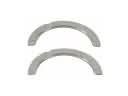 Mitsubishi Diamante Crankshaft Thrust Washer
 Mitsubishi Diamante Harmonic Balancer
 Mitsubishi Diamante Oil Filler Cap
 Mitsubishi Diamante Rod Bearing
 Mitsubishi Diamante Timing Belt Idler Pulley
 Mitsubishi Diamante Timing Chain Tensioner