×
- Hello
- Login or Register
- Quick Links
- Live Chat
- Track Order
- Parts Availability
- RMA
- Help Center
- Contact Us
- Shop for
- Mitsubishi Parts

My Garage
My Account
Cart
Genuine Mitsubishi Diamante Radiator Hose
Radiator Hose Tube- Select Vehicle by Model
- Select Vehicle by VIN
Select Vehicle by Model
orMake
Model
Year
Select Vehicle by VIN
For the most accurate results, select vehicle by your VIN (Vehicle Identification Number).
2 Radiator Hoses found
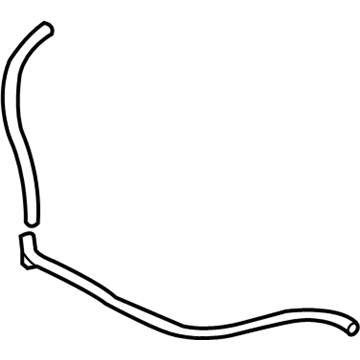
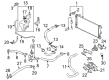
Mitsubishi Diamante Overflow Hose Part Number: MS600623
$27.87 MSRP: $36.28You Save: $8.41 (24%)Ships in 1-2 Business Days
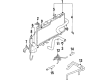
Mitsubishi Diamante Hose Part Number: MR312023
$5.16 MSRP: $6.72You Save: $1.56 (24%)Ships in 1-2 Business Days
Mitsubishi Diamante Radiator Hose
OEM Radiator Hose can boast superior quality and long-term durability. Each part meets strict factory specs and passes careful checks in production. So you'll get Radiator Hose with long-lasting strength and an exact fit. If you need OEM Mitsubishi Diamante Radiator Hose, the online store is the ideal place. The store carry a wide range of genuine Mitsubishi Diamante parts at the highly competitive prices. You'll enjoy a simple and no-hassle shopping experience. You'll get unbeatable prices and fast delivery service. You'll get the manufacturer's warranty and a straightforward return policy. Shop with confidence and keep your car in top condition.
Mitsubishi Diamante Radiator Hose Parts Questions & Experts Answers
- Q:What are the signs of Radiator Hose deterioration and how should Radiator Hoses be inspected and replaced on Mitsubishi Diamante?A:Age hardening in hose causes the cracks and excessively tightening hose clamps may cause separation and tearing. A hose is soft, swollen and may be bursting, it needs replacement. Hoses may deteriorate internally if the cooling system is not regularly flushed. The upper and lower radiator hoses, and the heater hose should be examined at the least frequency of 30,000 miles, and also during early spring and at the beginning of the fall or winter. The engine and cooling system should be kept cold and during inspection, any cracking, rotting or collapse of the system should be noted and any weak or swollen areas replaced. When removing a hose, it is important to remove the radiator pressure cap first to prevent burns caused by hot coolant or steam. Place a clean container below the radiator or engine drain, open drain and then run the system accordingly making sure to place a close-top container to avoid damaging pets with ethylene glycol. Relax the hose clamps at each end of the hose and twist, pull and slide the hose off the fitting without damaging the connection. In case the hose is stuck, it can be carefully cut off with a razor blade, ensuring that the connection is not damaged. Clean the mounting connections, and check the clamps in case they need to be replaced. To install, wet the ends of the new hose in clean coolant, slip the clamps over the hose and then connect it to the connections, making sure that the clamps do not go more than 1/4 inch in any direction. Close the drains and add the coolant drained plus an appropriate mix to the cooling system. Lastly, inspect leaks with a pressure tester or by warming up the engine to normal operating temperature, taking care not to touch the hot or moving components when inspecting the fittings.
Related Mitsubishi Diamante Parts
 Mitsubishi Diamante Coolant Pipe Seal
 Mitsubishi Diamante Coolant Reservoir
 Mitsubishi Diamante Coolant Reservoir Cap
 Mitsubishi Diamante Coolant Reservoir Hose
 Mitsubishi Diamante Cooling Hose
 Mitsubishi Diamante Fan Motor
 Mitsubishi Diamante Radiator Cap
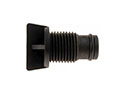 Mitsubishi Diamante Radiator Drain Plug
 Mitsubishi Diamante Thermostat
 Mitsubishi Diamante Thermostat Gasket
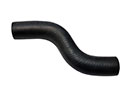 Mitsubishi Diamante Water Hose
 Mitsubishi Diamante Water Pump Gasket