×
- Hello
- Login or Register
- Quick Links
- Live Chat
- Track Order
- Parts Availability
- RMA
- Help Center
- Contact Us
- Shop for
- Mitsubishi Parts

My Garage
My Account
Cart
Genuine Mitsubishi Montero Fuel Hose
- Select Vehicle by Model
- Select Vehicle by VIN
Select Vehicle by Model
orMake
Model
Year
Select Vehicle by VIN
For the most accurate results, select vehicle by your VIN (Vehicle Identification Number).
3 Fuel Hoses found
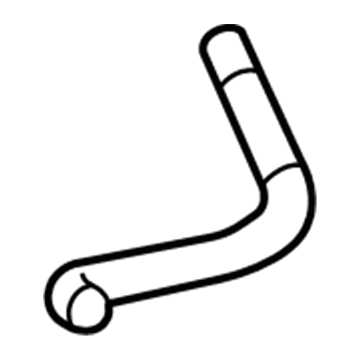
Mitsubishi Montero Filler Hose Part Number: MR959820
$83.16 MSRP: $115.50You Save: $32.34 (28%)Ships in 1-2 Business DaysMitsubishi Montero Filler Hose Part Number: MR573911
$84.89 MSRP: $117.90You Save: $33.01 (28%)Ships in 1-2 Business Days
Mitsubishi Montero Hose Part Number: MB678699
$89.76 MSRP: $124.67You Save: $34.91 (28%)Ships in 1-2 Business Days
Mitsubishi Montero Fuel Hose
OEM Fuel Hose can boast superior quality and long-term durability. Each part meets strict factory specs and passes careful checks in production. So you'll get Fuel Hose with long-lasting strength and an exact fit. If you need OEM Mitsubishi Montero Fuel Hose, the online store is the ideal place. The store carry a wide range of genuine Mitsubishi Montero parts at the highly competitive prices. You'll enjoy a simple and no-hassle shopping experience. You'll get unbeatable prices and fast delivery service. You'll get the manufacturer's warranty and a straightforward return policy. Shop with confidence and keep your car in top condition.
Mitsubishi Montero Fuel Hose Parts Questions & Experts Answers
- Q:Should the replacement of a Fuel Hose be left to a dealer service department or a fuel service shop on Mitsubishi Montero?A:Only a dealer service department or air conditioning shop with the proper equipment and personnel can safely depressurize system, the air conditioning hoses replacement. Under excessive heat in the engine compartment, many rubber and plastic hoses for the operation of the engine, accessory, and emission systems deteriorate. Hoses are fitted with clamps to hold them securely. In order to prevent leaks, ensure that the clamps are tightened adequately. If there are no clamps, see whether the hose is extended or hardened at the fitting. Hoses in the emissions system may be color-coded (eg striped blue) and, while different systems require hoses with different wall thicknesses, collapse resistance and temperature resistance may also be important. Make sure the hoses are of the same material as the one you are replacing. In many cases, it repairs the hose completely. Make sure you label it for later installation. Check the plastic T-fittings for any cracks or distortion that may lead to leakage. You can listen for any hissing sounds to detect leaks with the help of a short piece of vacuum hose. It is advisable to inspect all rubber fuel lines for deterioration and chafing at bends and at fittings. The replacement fuel line must be of the highest quality (identified by the word Fluro elastomer). When you change a fuel line hose, always replace the spring-type clamp with a screw-type clamp. Spring clamps lose tension over time. The sections of metal line that run between the fuel pump and the carburetor or fuel injection unit must be examined for bends, crimps, and cracks. If the fuel line is made of metal, it should be replaced with seamless steel tubing because copper and aluminum are not strong enough for engine vibration. Furthermore, examine the metal brake lines at the master cylinder and brake proportioning unit for cracks and loose fittings. Similarly, any signs of brake fluid leaking requires a complete inspection of the braking system.
Related Mitsubishi Montero Parts
 Mitsubishi Montero Air Filter
 Mitsubishi Montero Fuel Filter
 Mitsubishi Montero Fuel Pump
 Mitsubishi Montero Fuel Tank
 Mitsubishi Montero Intake Manifold
 Mitsubishi Montero Mass Air Flow Sensor
 Mitsubishi Montero Air Filter Box
 Mitsubishi Montero Fuel Filler Hose
 Mitsubishi Montero Fuel Filler Neck
 Mitsubishi Montero Fuel Tank Vent Valve
 Mitsubishi Montero Gas Cap
 Mitsubishi Montero Throttle Position Sensor