×
- Hello
- Login or Register
- Quick Links
- Live Chat
- Track Order
- Parts Availability
- RMA
- Help Center
- Contact Us
- Shop for
- Mitsubishi Parts

My Garage
My Account
Cart
Genuine Mitsubishi Sigma Oil Filter
Engine Oil filter- Select Vehicle by Model
- Select Vehicle by VIN
Select Vehicle by Model
orMake
Model
Year
Select Vehicle by VIN
For the most accurate results, select vehicle by your VIN (Vehicle Identification Number).
1 Oil Filter found
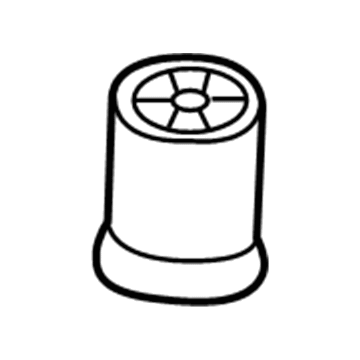
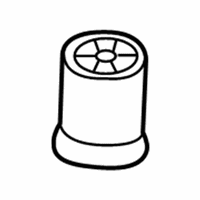
Mitsubishi Sigma Oil Filter Part Number: MZ690116
$6.13 MSRP: $7.98You Save: $1.85 (24%)Ships in 1-2 Business Days
Mitsubishi Sigma Oil Filter
OEM Oil Filter can boast superior quality and long-term durability. Each part meets strict factory specs and passes careful checks in production. So you'll get Oil Filter with long-lasting strength and an exact fit. If you need OEM Mitsubishi Sigma Oil Filter, the online store is the ideal place. The store carry a wide range of genuine Mitsubishi Sigma parts at the highly competitive prices. You'll enjoy a simple and no-hassle shopping experience. You'll get unbeatable prices and fast delivery service. You'll get the manufacturer's warranty and a straightforward return policy. Shop with confidence and keep your car in top condition.
Mitsubishi Sigma Oil Filter Parts Questions & Experts Answers
- Q:How to check and change the engine oil level and Oil Filter on Mitsubishi Sigma?A:To check the engine oil level, park the vehicle on a level surface and, if previously running, stop the engine and wait five minutes; if cold, check before starting engine. Open the hood, find the dipstick, pull it out, wipe it off, put it back in all the way, pull it out again, and read the lines. If the level is above the bottom line, oil is not needed. If the level is near the bottom line or below, add one quart at a time. Stop adding oil when level is above the bottom line. Don't overfill. Remove the valve cover cap, pour in the oil and do not let any dirt enter them. When changing the oil and filter, it is best to follow recommend mileage and also to take into consideration the driving conditions. Similarly, every time you change the oil, you should also change the filter as this helps in giving better performance results. Before beginning to service, let the engine run and then stop. Once the engine is turned off it must be effectively supported. Position a drain pan beneath the oil pan. Loosen the drain plug and allow the oil to drain. Using a strap wrench, remove the oil filter. Clean the filter adapter. Screw in the new filter after coating the gasket with clean oil. Tighten the drain plug, add new oil to specified levels, and check oil level with dipstick. First, start the engine and allow it an idle until the oil pressure starts to establish. After the oil pressure is established, check the area of the oil filter and oil plug for leaks. If it is required, switch off the engine, then allow the oil to settle, recheck the level, and add oil if required.
Related Mitsubishi Sigma Parts
 Mitsubishi Sigma Belt Tensioner
 Mitsubishi Sigma Crankshaft
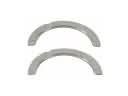 Mitsubishi Sigma Crankshaft Thrust Washer
 Mitsubishi Sigma Crankshaft Timing Gear
 Mitsubishi Sigma Oil Pan Gasket
 Mitsubishi Sigma Rod Bearing
 Mitsubishi Sigma Timing Chain Tensioner
 Mitsubishi Sigma Valve Cover Gasket
 Mitsubishi Sigma Valve Lifter
 Mitsubishi Sigma Valve Spring Retainer
 Mitsubishi Sigma Valve Spring Retainer Keeper
 Mitsubishi Sigma Valve Stem Seal