×
- Hello
- Login or Register
- Quick Links
- Live Chat
- Track Order
- Parts Availability
- RMA
- Help Center
- Contact Us
- Shop for
- Mitsubishi Parts

My Garage
My Account
Cart
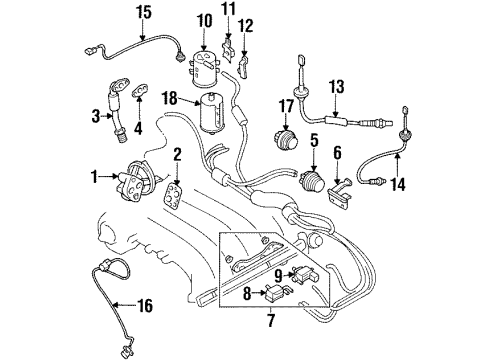
Powertrain Control
1999 Mitsubishi Diamante Engine Control Module, Knock Sensor, MAP Sensor, Oxygen Sensor
Currently shopping for
1999 Mitsubishi Diamante
Change VehicleVehicle Options
Base; 6 Cyl 3.5 L GASVehicle Options
Base; 6 Cyl 3.5 L GASCategories Close X
Currently selected
Air & Fuel Delivery
Other Categories
A/C & Heating
Belts & Cooling
Body & Hardware
Brakes
Charging & Starting
Driveline & Axles
Electrical
Emission Control & Exhaust
Engine
Headlights & Lighting
Interior & Exterior Trim
Maintenance & Lubrication
Steering
Suspension
Transmission
Categories Close X
How to use OE catalog
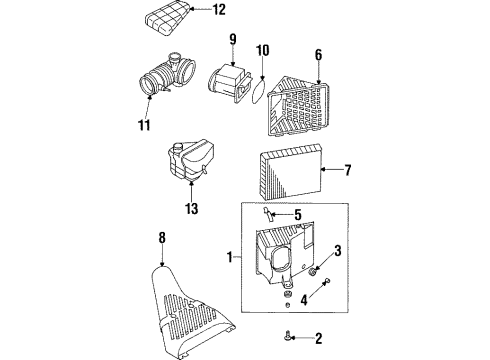
Diagram (1 of 1): Engine / Transaxle - Air Intake
Sort by:
Ref No.
Ref No.
Part No. & Part Description
Price & Qty.
Part No. &
Part Description
Part Description
- 2
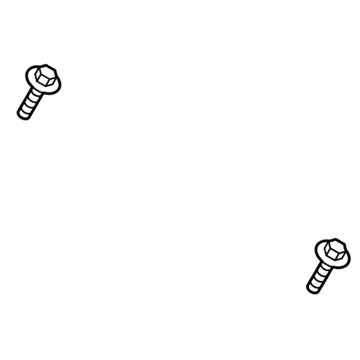 $2.27 $1.741
- 4
 $4.62 $3.551
- 5$8.44 $6.481
- 6
- 7
- 9$676.75 $479.141
- 10
 $19.11 $14.671
 $81.12 $58.401
- $105.88 $76.241

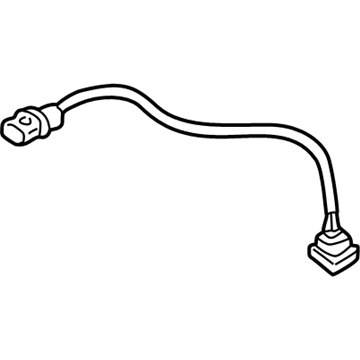 $182.40 $134.611
- $252.54 $186.381
- $136.32 $98.161
- $139.58 $100.501
OEM 1999 Mitsubishi Diamante Parts for Powertrain Control
The OEM parts are quite popular due to their reliable quality. The Powertrain Control parts are made by Mitsubishi and made as per the factory specifications and tested at the production phase. We have all the replacement OEM 1999 Mitsubishi Diamante parts you need. Our authentic OEM 1999 Mitsubishi Diamante Engine Control Module, Knock Sensor, MAP Sensor, Oxygen Sensor components are reasonably priced with the manufacturer's warranty. Our delivery is very fast that will generate a smooth shopping experience and we have an easy to use return policy if there are any issues. Don't wait, shop with us today to get the quality parts you need!
Crankshaft Position Sensor Installation and Repair Tips for 1999 Mitsubishi Diamante
- Q:What is the function of the Crankshaft Position Sensor, and how is it tested and installed in various engine types on 1999 Mitsubishi Diamante?A:Crankshaft Position (CKP) sensor measures crank angle, providing a pulse that the PCM uses to measure engine speed, fuel injection and ignition timing. Testing involves costly special tools, but can be tracked using scan tool. Removal/Installation The process differs depending on the engine whether in the distributor or through procedures such as disconnection of battery, detachment of timing belt and unscrewing of sensor.