×
- Hello
- Login or Register
- Quick Links
- Live Chat
- Track Order
- Parts Availability
- RMA
- Help Center
- Contact Us
- Shop for
- Mitsubishi Parts

My Garage
My Account
Cart
Genuine Mitsubishi Cordia Thermostat
Engine Coolant Thermostat- Select Vehicle by Model
- Select Vehicle by VIN
Select Vehicle by Model
orMake
Model
Year
Select Vehicle by VIN
For the most accurate results, select vehicle by your VIN (Vehicle Identification Number).
1 Thermostat found
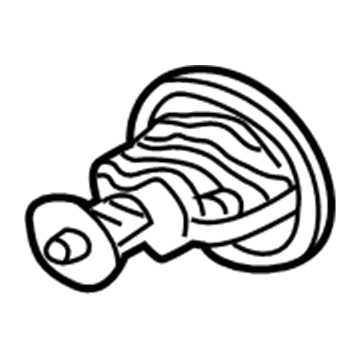
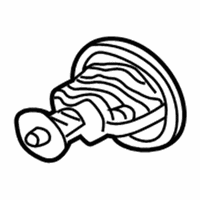
Mitsubishi Cordia Thermostat Part Number: MD972903
$25.36 MSRP: $33.02You Save: $7.66 (24%)Ships in 1-2 Business Days
Mitsubishi Cordia Thermostat
OEM Thermostat can boast superior quality and long-term durability. Each part meets strict factory specs and passes careful checks in production. So you'll get Thermostat with long-lasting strength and an exact fit. If you need OEM Mitsubishi Cordia Thermostat, the online store is the ideal place. The store carry a wide range of genuine Mitsubishi Cordia parts at the highly competitive prices. You'll enjoy a simple and no-hassle shopping experience. You'll get unbeatable prices and fast delivery service. You'll get the manufacturer's warranty and a straightforward return policy. Shop with confidence and keep your car in top condition.
Mitsubishi Cordia Thermostat Parts Questions & Experts Answers
- Q:How to determine if a thermostat requires replacement and how to properly replace it on Mitsubishi Cordia?A:In the event the internal combustion engine runs too cold, this can be detected by an engine gauge with a low operating temperature, low heater output, poor gas mileage, and slight lack of performance. In this case, the thermostat requires replacement. Low coolant caused due to leak, improper tuning and dirty coolant can cause overheating. In such cases, the thermostat must be tested. It is a good idea to test the gauge if the water temperature reading is low. If the engine has overheated, then replace the unit. High temperature can damage the gauge. To displace the unit, remove the air cleaner first, then drain the cooling system down below the level of the upper tank radiator tubes. The thermostat housing is located at the top radiator hose intake manifold end. It can usually be removed without disconnecting the hose, by removing the two mounting bolts and twisting the housing off the manifold. For the test, hang the thermostat into a pan of water on the stove, using a thermometer that registers to just about 250 degrees F. Heat the water and observe the temperature at which the valve starts to open. This will occur at 190 degrees F, remaining wide open as the water boils. Scrape both gasket surfaces thoroughly and install the thermostat with the wax pellet and spring down, ensuring it seats in the indentation for a gasket surface that is flush. A fresh gasket must be applied to both sides with a sealer and installed to the manifold, with boltholes aligned and above the thermostat. Once the housing has been installed and the bolts tightened, the air cleaner is refitted, system filled with antifreeze and engine run until the thermostat opened. Leaks are checked and refilled as necessary.
Related Mitsubishi Cordia Parts
 Mitsubishi Cordia Belt Tensioner
 Mitsubishi Cordia Cam Gear
 Mitsubishi Cordia Coolant Reservoir Cap
 Mitsubishi Cordia Crankshaft Seal
 Mitsubishi Cordia Oil Pump Gasket
 Mitsubishi Cordia PCV Valve
 Mitsubishi Cordia Radiator Cap
 Mitsubishi Cordia Timing Chain Tensioner
 Mitsubishi Cordia Valve Cover Gasket
 Mitsubishi Cordia Valve Spring
 Mitsubishi Cordia Valve Spring Retainer
 Mitsubishi Cordia Valve Spring Retainer Keeper