×
- Hello
- Login or Register
- Quick Links
- Live Chat
- Track Order
- Parts Availability
- RMA
- Help Center
- Contact Us
- Shop for
- Mitsubishi Parts

My Garage
My Account
Cart
Genuine Mitsubishi Montero Brake Line
Brake Hose- Select Vehicle by Model
- Select Vehicle by VIN
Select Vehicle by Model
orMake
Model
Year
Select Vehicle by VIN
For the most accurate results, select vehicle by your VIN (Vehicle Identification Number).
4 Brake Lines found
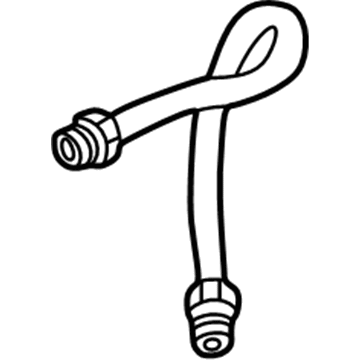
Mitsubishi Montero Flex Hose Part Number: 4650A702
$50.51 MSRP: $70.15You Save: $19.64 (28%)Ships in 1-2 Business Days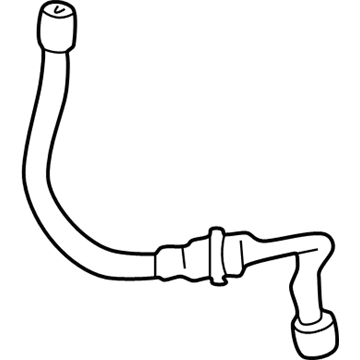
Mitsubishi Montero Brake Hose Part Number: MR249392
$31.09 MSRP: $40.48You Save: $9.39 (24%)Ships in 1-2 Business Days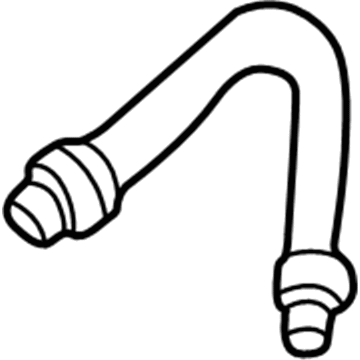
Mitsubishi Montero Brake Hose Part Number: 4650A701
$35.45 MSRP: $46.52You Save: $11.07 (24%)Ships in 1-2 Business Days
Mitsubishi Montero Brake Hose Part Number: MR129742
$15.71 MSRP: $20.45You Save: $4.74 (24%)Ships in 1-2 Business Days
Mitsubishi Montero Brake Line
OEM Brake Line can boast superior quality and long-term durability. Each part meets strict factory specs and passes careful checks in production. So you'll get Brake Line with long-lasting strength and an exact fit. If you need OEM Mitsubishi Montero Brake Line, the online store is the ideal place. The store carry a wide range of genuine Mitsubishi Montero parts at the highly competitive prices. You'll enjoy a simple and no-hassle shopping experience. You'll get unbeatable prices and fast delivery service. You'll get the manufacturer's warranty and a straightforward return policy. Shop with confidence and keep your car in top condition.
Mitsubishi Montero Brake Line Parts Questions & Experts Answers
- Q:How often should flexible hoses connecting steel brake lines be inspected for damage on Mitsubishi Montero?A:The flexible hoses that connect the steel brake lines to the front and rear brakes should be examined every six months to check for evidence of cracking, chafing of the outer cover, leakage, blistering, and damage. Replacement steel and flexible brake lines can often be found at dealer parts departments and auto parts stores. Always use only genuine steel lines or approved flexible brake hoses as replacements. While installing the brake line, ensure that there is at least 0.75 inch (19 mm) clearance with all moving and vibrating parts. To separate the hose and line, first, remove the spring clip, after that use a normal wrench to hold the hose and a flare-nut wrench to hold the tube for disconnection. Use the identical wrenches for connecting and installing a new clip, making sure that the tube passes through the center of its grommet. When disconnecting two hoses, use ordinary wrenches on the hose fittings. When connecting, make sure they are not bent, twisted or strained. Steel brake lines usually have clips that retain them along their length. Prior to removing a fixed brake line, all of these clips must be completely removed. After installing the brake line, you should reinstall these clips or new ones if they are damaged. The clips keep the brake line in place and prevent any vibrations that may cause a breakage. Ensure hydraulic system bleeding takes place when removing hose or tubing (if applicable).
Related Mitsubishi Montero Parts
 Mitsubishi Montero Brake Pads
 Mitsubishi Montero ABS Control Module
 Mitsubishi Montero ABS Pump And Motor Assembly
 Mitsubishi Montero ABS Sensor
 Mitsubishi Montero Axle Bearing Lock Rings
 Mitsubishi Montero Brake Caliper
 Mitsubishi Montero Brake Caliper Piston
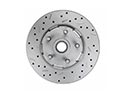 Mitsubishi Montero Brake Rotor
 Mitsubishi Montero Hydraulic Hose
 Mitsubishi Montero Wheel Bearing
 Mitsubishi Montero Wheel Cylinder
 Mitsubishi Montero Wheel Cylinder Repair Kit