×
- Hello
- Login or Register
- Quick Links
- Live Chat
- Track Order
- Parts Availability
- RMA
- Help Center
- Contact Us
- Shop for
- Mitsubishi Parts

My Garage
My Account
Cart
Genuine Mitsubishi Montero Wheel Bearing
Hub Bearing- Select Vehicle by Model
- Select Vehicle by VIN
Select Vehicle by Model
orMake
Model
Year
Select Vehicle by VIN
For the most accurate results, select vehicle by your VIN (Vehicle Identification Number).
5 Wheel Bearings found
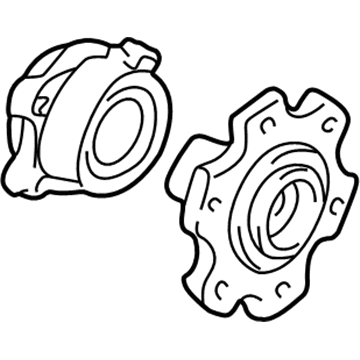
Mitsubishi Montero Hub & Bearing Assembly Part Number: MR418068
$251.06 MSRP: $354.60You Save: $103.54 (30%)Ships in 1-2 Business Days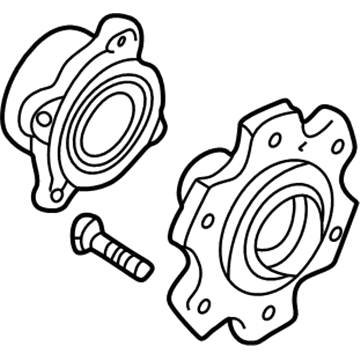
Mitsubishi Montero Front Hub & Bearing Part Number: 3880A024
$318.38 MSRP: $449.68You Save: $131.30 (30%)Ships in 1-2 Business Days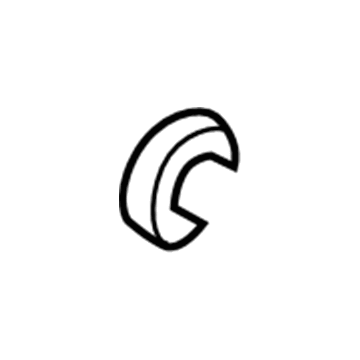
Mitsubishi Montero Axle Bearings Part Number: MB160662
$53.17 MSRP: $73.85You Save: $20.68 (28%)Ships in 1-2 Business Days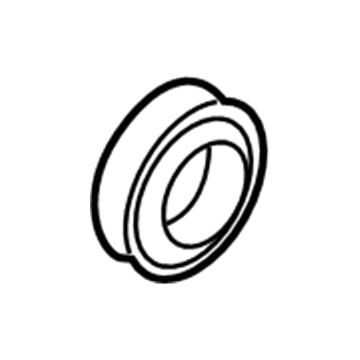
Mitsubishi Montero Wheel Bearing Part Number: MB092749
$73.13 MSRP: $101.57You Save: $28.44 (28%)Ships in 1-2 Business Days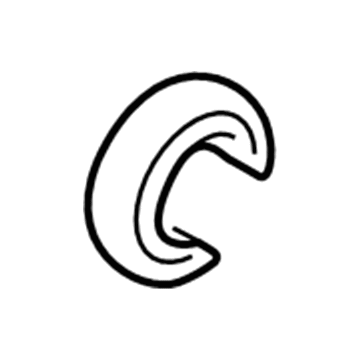
Mitsubishi Montero Axle Bearings Part Number: MB664611
$77.18 MSRP: $107.20You Save: $30.02 (28%)Ships in 1-2 Business Days
Mitsubishi Montero Wheel Bearing
OEM Wheel Bearing can boast superior quality and long-term durability. Each part meets strict factory specs and passes careful checks in production. So you'll get Wheel Bearing with long-lasting strength and an exact fit. If you need OEM Mitsubishi Montero Wheel Bearing, the online store is the ideal place. The store carry a wide range of genuine Mitsubishi Montero parts at the highly competitive prices. You'll enjoy a simple and no-hassle shopping experience. You'll get unbeatable prices and fast delivery service. You'll get the manufacturer's warranty and a straightforward return policy. Shop with confidence and keep your car in top condition.
Mitsubishi Montero Wheel Bearing Parts Questions & Experts Answers
- Q:How should you service the front wheel bearings of a 4WD on Mitsubishi Montero?A:For 4WDs, front wheel bearings can be left alone until the brake pads are changed, although they should be checked any time the front of the vehicle is raised. Start by securing the car on jackstands and spin each wheel to check for no noise, no rolling resistance and freeplay. Take hold of the top and bottom of each tire, then push the wheel in-and-out on the spindle. If you notice movement, this means that the bearings need checking and possibly repacking or replacing. Detach the wheel(s) and the brake caliper, hanging it clear of the way. Remove the grease cap from the hub with a pry tool, straighten out the cotter pin on the adjusting nut cap and remove it (discard the pin). Take the adjusting nut and washer from the spindle. Pull the hub out slightly and push it back to force off the outer wheel bearing on the spindle for removal. Remove the hub from the spindle and use a screwdriver to pry the grease seal out of the rear of the hub. Note how it came out for installation reference. Extract the inner wheel bearing and clean all components with solvent. Take care that no bristles from the brush become embedded between the bearing rollers, and allow to air dry. Check the bearings for cracks, discoloration and wear. Check the bearing races for damage. If defective, take the hubs to a machine shop for race replacement. Note that bearings and races are a matched set. Using a high-temperature front wheel bearing grease pack the bearings ensuring it is worked completely into the bearings. Coat the spindle with a thin film of grease, and place some behind each bearing race in the hub to act as a dam for more grease. After inserting the inner bearing which you packed with grease, add grease from the outside too, and put a "new" seal over it, tapping it into place with a hammer until it is flush. This will do the trick(37 words): Then gently set the hub assembly on the spindle, pressing the grease-packed outer bearing into place, followed by the washer and adjusting nut that should be tightened to about 22 ft-lbs, allowing it to loosen, before tightening to 6 ft-lbs. Install the cotter pin properly so that the unbent part remains as close to the hole as possible and the two ends are bent flat against the nut. Cut off any excess length. Once the grease cap has been tapped into place, reinstall the caliper. Next, reinstall the tire/wheel assembly and tighten its lug nuts. Finally, before bringing down the vehicle, you must double-check the bearings by gripping the tire's top and bottom.
Related Mitsubishi Montero Parts
 Mitsubishi Montero Brake Pads
 Mitsubishi Montero ABS Control Module
 Mitsubishi Montero ABS Pump And Motor Assembly
 Mitsubishi Montero ABS Sensor
 Mitsubishi Montero Axle Bearing Lock Rings
 Mitsubishi Montero Brake Caliper
 Mitsubishi Montero Brake Caliper Piston
 Mitsubishi Montero Brake Line
 Mitsubishi Montero Brake Rotor
 Mitsubishi Montero Hydraulic Hose
 Mitsubishi Montero Wheel Cylinder
 Mitsubishi Montero Wheel Cylinder Repair Kit
Browse by Year
2006 Wheel Bearing 2005 Wheel Bearing 2004 Wheel Bearing 2003 Wheel Bearing 2002 Wheel Bearing 2001 Wheel Bearing 2000 Wheel Bearing
1999 Wheel Bearing
1998 Wheel Bearing
1997 Wheel Bearing
1996 Wheel Bearing
1995 Wheel Bearing
1994 Wheel Bearing
1993 Wheel Bearing
1992 Wheel Bearing
1991 Wheel Bearing 1990 Wheel Bearing 1989 Wheel Bearing 1988 Wheel Bearing 1987 Wheel Bearing 1986 Wheel Bearing 1985 Wheel Bearing 1984 Wheel Bearing