×
- Hello
- Login or Register
- Quick Links
- Live Chat
- Track Order
- Parts Availability
- RMA
- Help Center
- Contact Us
- Shop for
- Mitsubishi Parts

My Garage
My Account
Cart
Genuine Mitsubishi Montero Wheel Cylinder
Brake Wheel Cylinder- Select Vehicle by Model
- Select Vehicle by VIN
Select Vehicle by Model
orMake
Model
Year
Select Vehicle by VIN
For the most accurate results, select vehicle by your VIN (Vehicle Identification Number).
1 Wheel Cylinder found
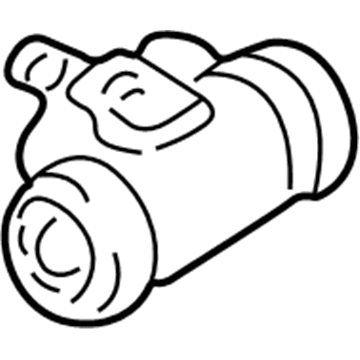
Mitsubishi Montero Wheel Cylinder Part Number: MB238828
$113.99 MSRP: $158.32You Save: $44.33 (28%)Ships in 1-2 Business Days
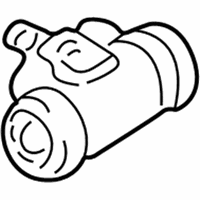
Mitsubishi Montero Wheel Cylinder
OEM Wheel Cylinder can boast superior quality and long-term durability. Each part meets strict factory specs and passes careful checks in production. So you'll get Wheel Cylinder with long-lasting strength and an exact fit. If you need OEM Mitsubishi Montero Wheel Cylinder, the online store is the ideal place. The store carry a wide range of genuine Mitsubishi Montero parts at the highly competitive prices. You'll enjoy a simple and no-hassle shopping experience. You'll get unbeatable prices and fast delivery service. You'll get the manufacturer's warranty and a straightforward return policy. Shop with confidence and keep your car in top condition.
Mitsubishi Montero Wheel Cylinder Parts Questions & Experts Answers
- Q:What should be considered before overhauling a wheel cylinder on Mitsubishi Montero?A:When an overhaul is suggested, normally because of fluid leakage or sticky operation, investigate all possibilities before commencing the job. This is very easy since new wheel cylinders are available. Should it be decided to rebuild the wheel cylinder, make sure that there is a rebuild kit on-hand before attempting it and that the wheel cylinders are rebuilt in pairs. To take out the wheel cylinder, lift the rear of the car and place it firmly on jackstands and block the front wheels so that the car does not roll. Disassemble the shoe assembly of the brake and remove all dirt and foreign substance around the wheel cylinder. Break the Brake Line with a flare-nut wrench without eliminating the mounting bolts and loosening the wheel cylinder by attaching the brake line, but ensure you keep the brake line plugged to avoid losing and contaminating fluids. To overhaul, take the bleeder screw, piston cups, pistons, boots, and piston assemblies out of the wheel cylinder body, wipe it with brake fluid, denatured alcohol, or brake system cleaner. Blow out the passages with compressed air and blow out excess fluid, inspect the cylinder bore corrosion and score lines. The crocus cloth is used to remove light corrosion and stains, however, in case the defects are not easily removable, or the bore is scored, the cylinder should be replaced. Apply brake fluid to lubricate the new piston cups and fit the parts of the brake cylinder, making sure that the lips on the piston cups are inwards-facing. To install it, the wheel cylinder is placed in place and the bolts installed, the brake line connected and the brake shoe assembly installed and then the brakes bled.
Related Mitsubishi Montero Parts
 Mitsubishi Montero Brake Pads
 Mitsubishi Montero ABS Control Module
 Mitsubishi Montero ABS Sensor
 Mitsubishi Montero Axle Bearing Lock Rings
 Mitsubishi Montero Brake Caliper
 Mitsubishi Montero Brake Caliper Piston
 Mitsubishi Montero Brake Line
 Mitsubishi Montero Brake Rotor
 Mitsubishi Montero Hydraulic Hose
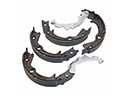 Mitsubishi Montero Parking Brake Shoes
 Mitsubishi Montero Wheel Bearing
 Mitsubishi Montero Wheel Cylinder Repair Kit