×
- Hello
- Login or Register
- Quick Links
- Live Chat
- Track Order
- Parts Availability
- RMA
- Help Center
- Contact Us
- Shop for
- Mitsubishi Parts

My Garage
My Account
Cart
Genuine Mitsubishi Galant Fuel Hose
- Select Vehicle by Model
- Select Vehicle by VIN
Select Vehicle by Model
orMake
Model
Year
Select Vehicle by VIN
For the most accurate results, select vehicle by your VIN (Vehicle Identification Number).
4 Fuel Hoses found

Mitsubishi Galant Breather Tube Part Number: MR959550
$1.42 MSRP: $1.85You Save: $0.43 (24%)Ships in 1-2 Business Days
Mitsubishi Galant Connector Hose Part Number: MU602666
$23.30 MSRP: $30.33You Save: $7.03 (24%)Ships in 1-2 Business Days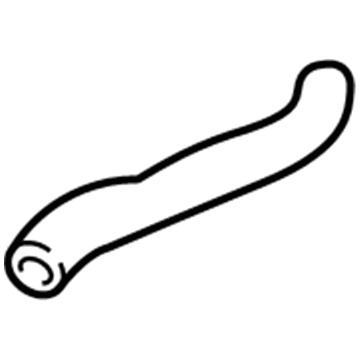
Mitsubishi Galant Connector Hose Part Number: MR271412
$27.12 MSRP: $35.32You Save: $8.20 (24%)Ships in 1-2 Business Days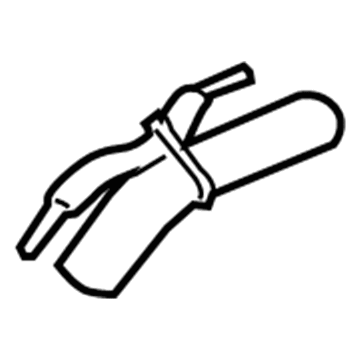
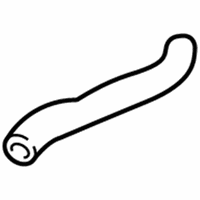
Mitsubishi Galant Connector Hose Part Number: MN120339
$44.22 MSRP: $58.03You Save: $13.81 (24%)Ships in 1-2 Business Days
Mitsubishi Galant Fuel Hose
OEM Fuel Hose can boast superior quality and long-term durability. Each part meets strict factory specs and passes careful checks in production. So you'll get Fuel Hose with long-lasting strength and an exact fit. If you need OEM Mitsubishi Galant Fuel Hose, the online store is the ideal place. The store carry a wide range of genuine Mitsubishi Galant parts at the highly competitive prices. You'll enjoy a simple and no-hassle shopping experience. You'll get unbeatable prices and fast delivery service. You'll get the manufacturer's warranty and a straightforward return policy. Shop with confidence and keep your car in top condition.
Mitsubishi Galant Fuel Hose Parts Questions & Experts Answers
- Q:What are the key considerations for inspecting and maintaining Brake Line and Fuel Hose rubber and plastic components in engine and emission systems on Mitsubishi Galant?A:High temperatures under the hood can cause rubber and plastic hoses used in engine, accessory and emission systems to crack and leak. Hoses should be inspected regularly for cracks and loose clamps, as well as material hardening and leaks. Check the cooling system hoses in particular. Ensure that the tension of any clamps securing hoses to fittings is sufficient to prevent leaks. Ensure that hoses which do not have clamps have not expanded or hardened. Vacuum hoses in the emissions system are generally marked with a specific color or colored stripes. When replacing these hoses, it is critical to be sure that the replacement hose is the same material as the original hose. The best way to check a hose is to remove it altogether, labeling each of the hoses and its attachment points, so that you can replace it back properly. You should examine plastic T-fittings for cracks. A hose fitting should also be examined for enlargement that can lead to leakage. Using a small piece of vacuum hose to detect vacuum leaks is quite simple. You can listen for hissing air sounds. All rubber fuel hoses should be thoroughly inspected for damage, especially at bends or where the hose is clamped. Any damaged hoses should be replaced with high-quality fuel line made for fuel injection systems. Hoses connecting calipers or wheel cylinders to metal lines are subject to high hydraulic pressures and temperatures while allowing flexibility. Brake hoses can usually be checked without removing wheels. Leaks, cracks, bulging, or other damage indicates a need for replacement. Metal lines are commonly employed for fuel transportation between the fuel tank and injection system, thus checks for bends, crimps, or cracks are essential. To replace a metal fuel line, seamless steel tubing is needed because copper and aluminum do not have the strength to survive engine vibrations. Furthermore, the metal brake lines must be checked where they enter the master cylinder and most brake proportioning or ABS unit for cracks or loose fittings. If there is any brake fluid leakage found, the brake system should be further inspected.
- Q:How should you relieve the system fuel pressure in the Fuel Hose before servicing the fuel lines or their fittings on Mitsubishi Galant?A:Before beginning service on the fuel lines or their fittings, always relieve system fuel pressure. The fuel supply, return, and Evaporative Emission Control (EVAP) lines run between the fuel tank and engine compartment. The fuel supply lines are made of steel or rubber, the return hoses are made of rubber and EVAP lines are made of plastic. They are held to the underbody by clips and brackets. Whenever the vehicle is elevated for service, check these lines for leaks, kinks and dents. In the event that dirt is found in the fuel system or fuel filter, disconnect the affected line and blow it out. Check the fuel inlet strainer on the Fuel Pump for blockage or contamination. Several types of quick-connect fittings, such as one-tab and two-tab retainers as well as plastic retainer rings, join fuel lines and components. If there is damage or leakage, replace the entire fuel line or quick connect fitting assembly with original equipment parts or those that meet original specifications. To disassemble, relieve system fuel pressure, remove fasteners, clean area surrounding fitting, and pull fittings apart while depressing retaining tabs. At assembly, the male part of the fitting should be clean and lightly lubricated. The retaining tabs must be aligned with the windows in the female fitting. Finally, try to pull the lines apart ensuring that they are still secure. The disassembly and assembly process for plastic retainer ring fitting is similar to that of metal retainer rings. Ensure the retainer ring is properly engaged. If it is necessary to replace a metal line, the quick-connect fittings should be disassembled and the line removed. If acceptable, a new piece of steel tubing can be spliced in. For plastic lines, if damaged, the whole assembly must be replaced, and for rubber hoses, simply loosen the clamps and remove the hose to install a new one, ensuring to pressurize the system and check for leaks after each replacement.

Related Mitsubishi Galant Parts
 Mitsubishi Galant Fuel Filter
 Mitsubishi Galant Fuel Pump
 Mitsubishi Galant Fuel Tank
 Mitsubishi Galant Intake Manifold
 Mitsubishi Galant Fuel Filler Neck
 Mitsubishi Galant Fuel Level Sensor
 Mitsubishi Galant Fuel Pressure Regulator
 Mitsubishi Galant Fuel Pump Gasket
 Mitsubishi Galant Fuel Sending Unit
 Mitsubishi Galant Fuel Tank Lock Ring
 Mitsubishi Galant Fuel Tank Vent Valve
 Mitsubishi Galant Gas Cap