×
- Hello
- Login or Register
- Quick Links
- Live Chat
- Track Order
- Parts Availability
- RMA
- Help Center
- Contact Us
- Shop for
- Mitsubishi Parts

My Garage
My Account
Cart
Genuine Mitsubishi Lancer Crankshaft Seal
- Select Vehicle by Model
- Select Vehicle by VIN
Select Vehicle by Model
orMake
Model
Year
Select Vehicle by VIN
For the most accurate results, select vehicle by your VIN (Vehicle Identification Number).
3 Crankshaft Seals found

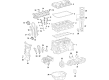
Mitsubishi Lancer Rear Main Seal Part Number: 1052A118
$42.71 MSRP: $59.32You Save: $16.61 (28%)Ships in 1-2 Business Days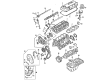
Mitsubishi Lancer Front Crank Seal Part Number: MD168055
$13.64 MSRP: $17.77You Save: $4.13 (24%)Ships in 1-2 Business Days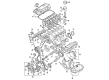
Mitsubishi Lancer Rear Main Seal Part Number: MD359158
$35.88 MSRP: $47.08You Save: $11.20 (24%)Ships in 1-2 Business Days
Mitsubishi Lancer Crankshaft Seal
OEM Crankshaft Seal can boast superior quality and long-term durability. Each part meets strict factory specs and passes careful checks in production. So you'll get Crankshaft Seal with long-lasting strength and an exact fit. If you need OEM Mitsubishi Lancer Crankshaft Seal, the online store is the ideal place. The store carry a wide range of genuine Mitsubishi Lancer parts at the highly competitive prices. You'll enjoy a simple and no-hassle shopping experience. You'll get unbeatable prices and fast delivery service. You'll get the manufacturer's warranty and a straightforward return policy. Shop with confidence and keep your car in top condition.
Mitsubishi Lancer Crankshaft Seal Parts Questions & Experts Answers
- Q:How to remove and install the front and rear Crankshaft Seals on Mitsubishi Lancer?A:First, remove the Timing Belt to install and remove a front crankshaft oil seal. The crankshaft sprocket shall be removed from the crankshaft. Make a small indentation with a centre punch on the front face of the oil seal. Be careful not to damage the oil pump housing. Using a self tapping screw, screw into the oil seal. Grip the head with pliers and withdraw the seal from the oil pump housing. Alternatively, use an oil seal remover. Examine the crankshaft where a seal contacts for scoring or damage. If you see any, consult an engine re-conditioner. Using the mandrel or tube as appropriate, apply multipurpose grease to the oil seal lip and install the seal squarely into the oil pump housing. Ensure the oil seal lip is facing towards the engine and the outer face of the oil seal is recessed approximately 1 mm from the oil pump housing. To end the process, cover the crankshaft sprocket and the timing belt. To access the rear crankshaft oil seal, first, remove the transaxle from the vehicle, then the Flywheel/driveplate. With a centre punch, tap a small hole in the oil seal's front face. Be careful not to damage the carrier. To remove the oil seal from the carrier and gauge the installed depth, screw a self-tapping screw on the oil seal. The head can be gripped with pliers. Inspect the crankshaft seal contact surface for scoring damage and seek an engine reconditioning specialist if necessary. The sequence of installation is just the reverse of the removal process. Apply some multipurpose grease to the oil seal lip. Using a mandrel or tube that only pushes on the outer edge, install it to the carrier ensuring that the oil seal lip faces towards the engine, and that the outer face has been installed to noted depth. Reattach the transaxle to the engine after fixing the flywheel.
Related Mitsubishi Lancer Parts
 Mitsubishi Lancer Belt Tensioner
 Mitsubishi Lancer Oil Pan
 Mitsubishi Lancer Crankshaft
 Mitsubishi Lancer Engine Oil Cooler
 Mitsubishi Lancer Intake Valve
 Mitsubishi Lancer Oil Pump
 Mitsubishi Lancer Timing Chain Tensioner
 Mitsubishi Lancer Timing Cover
 Mitsubishi Lancer Timing Cover Gasket
 Mitsubishi Lancer Valve Spring
 Mitsubishi Lancer Valve Stem Seal
 Mitsubishi Lancer Variable Timing Solenoid
Browse by Year
2017 Crankshaft Seal 2016 Crankshaft Seal 2015 Crankshaft Seal 2014 Crankshaft Seal 2013 Crankshaft Seal 2012 Crankshaft Seal 2011 Crankshaft Seal 2010 Crankshaft Seal 2009 Crankshaft Seal 2008 Crankshaft Seal 2007 Crankshaft Seal 2006 Crankshaft Seal 2005 Crankshaft Seal 2004 Crankshaft Seal 2003 Crankshaft Seal 2002 Crankshaft Seal