×
- Hello
- Login or Register
- Quick Links
- Live Chat
- Track Order
- Parts Availability
- RMA
- Help Center
- Contact Us
- Shop for
- Mitsubishi Parts

My Garage
My Account
Cart
Genuine Mitsubishi Oil Filter
Engine Oil filter- Select Vehicle by Model
- Select Vehicle by VIN
Select Vehicle by Model
orMake
Model
Year
Select Vehicle by VIN
For the most accurate results, select vehicle by your VIN (Vehicle Identification Number).
6 Oil Filters found
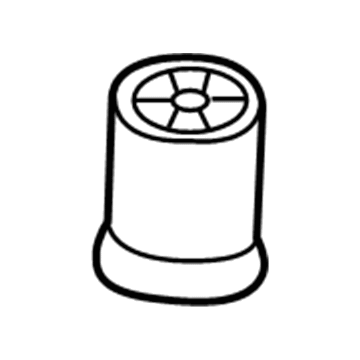
Mitsubishi Oil Filter Part Number: MZ690116
$6.13 MSRP: $7.98You Save: $1.85 (24%)Ships in 1-2 Business DaysProduct Specifications- Other Name: Oil Filter (ASP); Spin-On Oil Filter; Engine Oil Filter

Mitsubishi Oil Filter Part Number: MZ690072
$6.13 MSRP: $7.98You Save: $1.85 (24%)Ships in 1-2 Business DaysProduct Specifications- Other Name: Oil Filter (ASP); Spin-On Oil Filter; Engine Oil Filter
- Replaces: 1230A152

Mitsubishi Oil Filter Part Number: 04781452BB
$7.40 MSRP: $9.63You Save: $2.23 (24%)Ships in 1-2 Business DaysProduct Specifications- Other Name: Spin-On Oil Filter; Engine Oil Filter

Mitsubishi Oil Filter Part Number: MQ718353
$7.60 MSRP: $9.90You Save: $2.30 (24%)Ships in 1-2 Business DaysMitsubishi Oil Filter Part Number: 05184231AA
$8.68 MSRP: $11.30You Save: $2.62 (24%)Ships in 1-2 Business DaysProduct Specifications- Other Name: Spin-On Oil Filter; Engine Oil Filter

Mitsubishi Oil Filter Part Number: M05281090
$5.06 MSRP: $6.45You Save: $1.39 (22%)Ships in 1-2 Business DaysProduct Specifications- Other Name: Spin-On Oil Filter; Engine Oil Filter
Mitsubishi Oil Filter
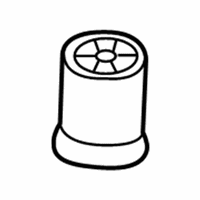
The Mitsubishi Oil Filter maintains the purity of engine oil, ensuring a smooth flow in the engine. This provides the driver with confidence that the moving parts are well protected and ready to use on the road. The Oil Filter is incorporated in the lubrication circuit. The oil enters through fine cellulose, which is a synthetic blend that retains up to ninety-nine percent of dirt and grit. The large capacity of the Oil Filter holds dirt to maintain pressure during long mileage. The rugged housing defies heat and vibration, while the smart flow design prevents starvation at higher revs. Use it for a daily commuter or for a long road trip; you will never be let down. Replacing oil regularly allows fresh oil to protect engine parts against wear, corrosion, and sludge build-up. Mitsubishi also builds cars that are easy to use but don't skimp on innovation. Beginning with ocean routes back in 1870 through the introduction of the Model A sedan, the company has transformed itself into a global automaker famed for the MIVEC engine that draws power from every drop of fuel. Super All Wheel Control ensures reliable traction over gravel and snow, while a smartphone link brings playlists just a tap away, and cruise control calms drivers on highways. The brand's promises are shown off with the plug-in hybrid Outlander models, while experiments with fuel cell and city-friendly i-MiEV show off. Mitsubishi designs each model to be simple and reliable enough for everyday use but ready for adventure.
Pick genuine OEM Oil Filter if you want superb performance and durability that lasts. Mitsubishi builds that using high-grade materials and official factory techniques to meet very strict standards. This means you get parts you can actually trust for your daily drive. Finding the right parts is simple in the massive stock of genuine inventory. You can stop guessing if a part will fit or hold up. You will love the low prices, dependable service and the real manufacturer's warranty on Mitsubishi Oil Filter. Order today and the store will ship your brand-new items to your door as fast as possible.
Mitsubishi Oil Filter Parts Questions & Experts Answers
- Q:How to check and renew the oil level and Oil Filter on Mitsubishi Lancer?A:Park your vehicle on a flat surface and switch off the engine. Now, lift the bonnet and check the oil level. Allow the oil to drain into the sump for about a minute, after which the dipstick can be removed, wiped with a lint free cloth and reinserted fully into the tube. Remove the dipstick and check the oil level; It should be maintained between the marks. The difference between Low and Full marks is approximately 1.0 litre of engine oil. When oil needs to be added, wipe the area around the oil filler cap, remove it, and add engine oil in small amounts little by little while checking level to avoid overfilling. Check the oil level until the oil level hits the Full mark. To renew oil and filter, engine sump is best drained with oil at working temperature (but take care not to burn). Position the front of the vehicle onto car ramps, turn the engine off and chock the front wheels. Position a jack to raise the rear of the vehicle and support it with chassis stands under the jack's recommended points. The vehicle should be as level as possible. Clean the area around the engine sump drain plug, place a container below before removing the drain plug, and let the engine sump drain. Using a filter removal tool, remove the oil filter and let residual oil drain into the container. Before twisting on a new oil filter, fill it with new oil and smear oil on the sealing gasket as per the new filter instructions. Prior to installing the new filter, check that the sealing gasket of the old filter has not stuck on the engine. After removing the drain, check the O-ring of the drain plug and renew if necessary as it is recommended that the sump plug O-ring is renewed every time the oil is changed. Using a funnel, install the engine oil drain plug to the specified torque. Then, fill the engine with the specified amount and grade of engine oil. Ensure the oil level is correct by checking the dip stick, after which, start the engine and the oil-warning lamp should go off fairly quickly. As a precaution against overfilling, avoid pouring the entire quantity of the specified oil into the engine. Remember to retain at least half a litre as a top-up after running the engine for a few minutes. After stopping the engine and waiting for about a minute, the oil must be checked again and oil must be added if necessary without overfilling it. Inspect the engine sum drain plug and oil filter for leakage of oil and routine maintenance items coinciding with the oil change intervals. Prior to checking for oil leaks, degrease and clean the engine. By putting a piece of white paper on the ground beneath the engine while running at operating temperature see if there is a leak. Scrutinise the front and rear crankshaft oil seals and the rocker cover gasket for dampness around the sump, as well as the oil filter for leakage. As required, tighten retaining nuts and bolts or renew defective oil seals or the oil filter. Inspect the oil pressure switch for any leaks, replacing it if necessary. Following that, replenish the engine with the required amount and grade of engine oil.
- Q:Why is frequent replacement of the Oil Filter crucial for preventive maintenance on Mitsubishi Montero?A:Depending on a vehicle's age, regular oil changes are an essential part of preventive maintenance. Engine oil can become diluted and contaminated over time, ultimately resulting in premature wear of engine components. Some people might say that you should change your oil filter every other oil change, but the low cost and ease of installing a new one are both worthy of changing it each time. Gather together all the tools and materials before you begin. You should have clean rags and newspapers to soak up spills. It is easier to get underneath a vehicle if it is up on a hoist, driven on to ramps or supported on jack stands. Get to know where the oil drain plug and oil filter are located, avoiding hot engine and exhaust components. Put the engine at normal operating temperature and during that time, gather any other tools that you need or oil. When the engine oil is warm, raise and support the vehicle safely and position the drain pan below the drain plug. With your wrench, slowly undo and remove the drain plug. Allow all the old oil to drain into the pan. Before putting it back in, wipe off the drain plug. Place the drain pan underneath the oil filter. Using a filter wrench, gently loosen the filter. Be careful of the oil in the filter. Before installing the new filter, compare it with the old one to ensure they match, then clean the mounting area and see if any rubber gaskets are stuck there. Before putting the new filter on the engine, smear a light coat of renew oil on the filter gasket. Tighten to the manufacturer's specification. Once you have removed all tools and rags from under the vehicle, lower the vehicle. Find the oil filler cap in the engine compartment. Put three or four quarts of fresh oil into engine, wait a few minutes and check dip stick for the oil level. If the level goes beyond the L mark, start the engine to allow the new oil to circulate. After a brief period, check for leaks at the oil pan drain plug and oil filter. After the new oil has circulated, check the dipstick again and add oil as needed. In the case of a leak, check the oil level after the first few rides and top it up if necessary. The expired oils are cannot be reused but take them to an oil reclamation centre, auto repair shop, or gas stations that do accept used oil.

Related Mitsubishi Parts
 Mitsubishi Crankshaft
 Mitsubishi Crankshaft Pulley
 Mitsubishi Engine Cover
 Mitsubishi Knock Sensor
 Mitsubishi Camshaft Seal
 Mitsubishi Crankshaft Seal
 Mitsubishi Engine Oil Cooler
 Mitsubishi Oil Filler Cap
 Mitsubishi Oil Pan Gasket
 Mitsubishi Timing Chain Tensioner
 Mitsubishi Valve Spring
 Mitsubishi Valve Stem Oil Seal
Browse by Model
3000GT Oil Filter Cordia Oil Filter Diamante Oil Filter Eclipse Cross Oil Filter Eclipse Oil Filter Endeavor Oil Filter Expo LRV Oil Filter Expo Oil Filter Galant Oil Filter Lancer Oil Filter Mighty Max Oil Filter Mirage G4 Oil Filter Mirage Oil Filter Montero Oil Filter Montero Sport Oil Filter Outlander Oil Filter Outlander PHEV Oil Filter Outlander Sport Oil Filter Raider Oil Filter Sigma Oil Filter Starion Oil Filter Tredia Oil Filter Van Oil Filter